Restorative & Cosmetic Dentistry
What We Offer
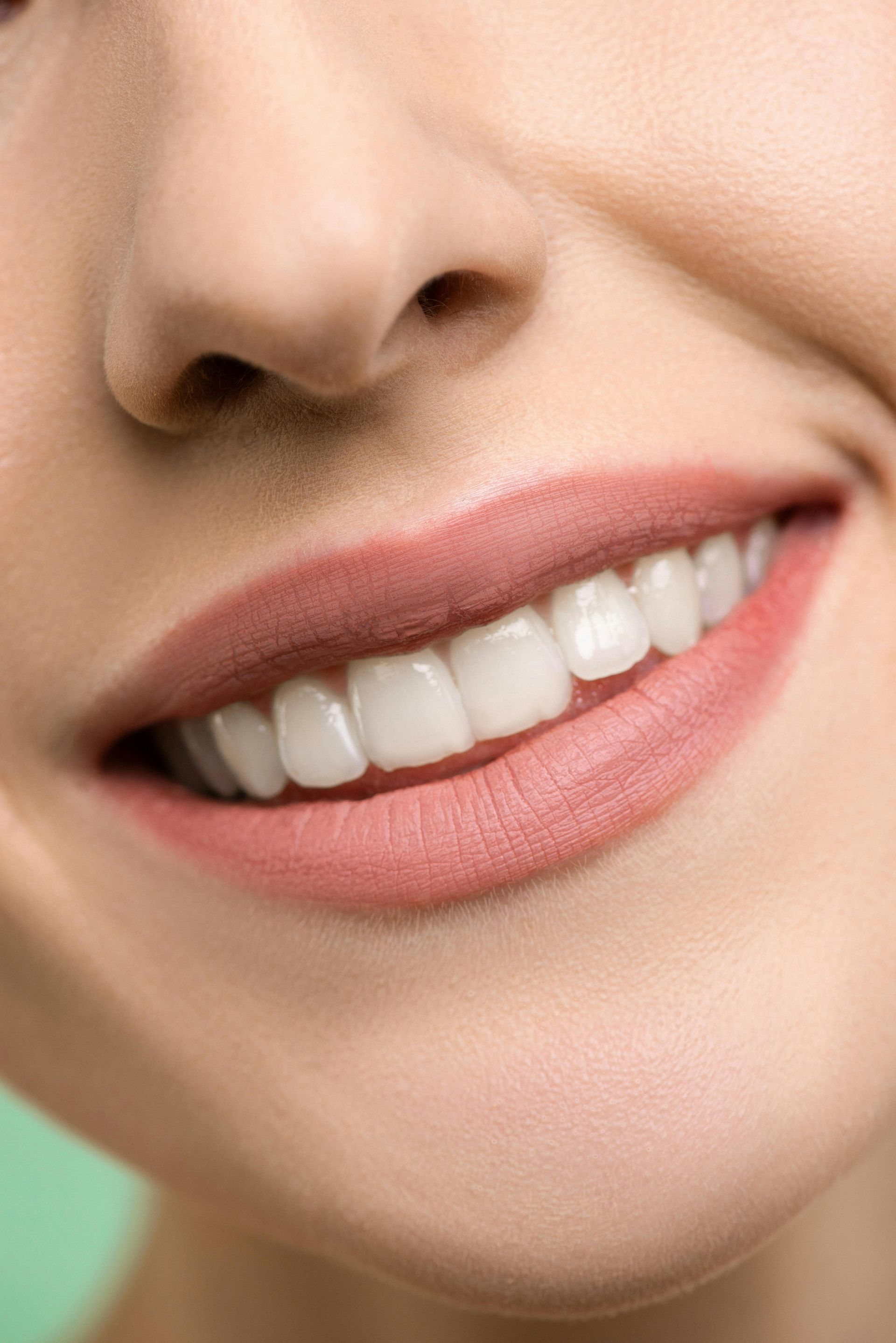
A beautiful smile should be shared with the world. If you aren’t confident about your smile, it can have a big impact on your self-esteem.
At BB Dental, we will help to improve the appearance and health of your smile, so you can feel good showing it off.
Our cosmetic dentistry services include:
- Teeth whitening / bleaching
- Crowns
- Porcelain & resin veneers
- Bonded fillings
We treat a variety of cosmetic dental concerns, from discolouration to misshapen teeth as well as filling small gaps in-between teeth. Your dentist will discuss the treatment options and potential outcomes with you, so you fully understand the process prior to committing to it.
Once you are ready to proceed with a cosmetic treatment, we will book the appointment for you (these appointments are longer than general examinations) and set to work helping you achieve a fantastic smile.
Speak to your dentist about the cosmetic dental options that may be suitable for you. Call us on
(07) 4054 1255 today. Based in Earlville, we support patients all across Cairns and the surrounding region.
Supporting Your Dental Health
Frequently Asked Questions
What is cosmetic dental care?
Cosmetic dental care focuses on enhancing the appearance of teeth and creating a more attractive smile. Common treatments include teeth whitening to address discolouration, veneers to improve the shape or size of teeth, crowns to restore damaged teeth and bonding to fill small gaps or repair minor chips. These procedures are designed to address aesthetic concerns and improve the overall look of your smile while maintaining oral health.
What is restorative dental care?
Restorative dental care involves treatments that repair or replace damaged, decayed or missing teeth to restore function and oral health. Services may include fillings to treat cavities, crowns to protect and strengthen damaged teeth, bridges to fill gaps caused by missing teeth or dental implants to replace missing teeth entirely. These treatments aim to restore the functionality of your teeth while supporting a natural appearance.
What is the difference between cosmetic and restorative dental care?
Cosmetic dental care is primarily focused on improving the visual aspects of your teeth, such as colour, shape, alignment or overall appearance. Restorative dental care, on the other hand, addresses the functionality and structural integrity of teeth while often improving their appearance as a secondary benefit. Some treatments, like crowns or dental implants, can fall into both categories, as they may enhance aesthetics and restore function.
What are issues with cracked teeth? (Cracked Tooth Syndrome)
Cracked tooth syndrome refers to a condition where a tooth has small, often undetectable cracks that can cause significant discomfort. Unlike a fully fractured tooth, the tooth remains intact but may exhibit symptoms that can mimic other dental issues. The cracks can develop due to various factors, including stress from chewing, grinding (bruxism), or biting hard objects.
SYMPTOMS
The symptoms of cracked tooth syndrome can vary widely and may include:
- Pain when chewing: Sharp pain that occurs when biting down and may worsen upon release of the bite.
- Temperature sensitivity: Increased sensitivity to hot or cold foods and drinks, often resulting in discomfort. Intermittent pain: Pain that comes and goes, making it difficult to pinpoint the exact source.
- Localized swelling: Tenderness or swelling around the affected tooth in more advanced cases.
CAUSES
Several factors can contribute to the development of cracked tooth syndrome, including:
- Bruxism: Grinding or clenching teeth can weaken enamel and lead to cracks.
- Biting hard objects: Chewing on hard foods, such as ice or hard candies, can stress teeth.
- Age and wear: Natural wear and tear over time can make teeth more susceptible to cracking.
- Trauma: Injuries to the mouth can also result in cracks.
DIAGNOSIS
Diagnosing cracked tooth syndrome can be challenging due to the subtlety of the cracks. Dentists may use various methods, including visual examinations, X-rays, and other diagnostic tools like transillumination or dental dye to identify cracks that are not visible to the naked eye.
TREATMENT
Early treatment is important when managing a cracked tooth. Cracks can progress over time, particularly under biting forces, so timely intervention can help slow or stop their spread and increase the likelihood of saving the tooth. Treatment will depend on the size, direction, and position of the crack, as well as whether the tooth’s nerve has been affected.
Small (Simple) Cracks
For small cracks that affect the outer tooth structure only and do not extend deeply, treatment is often conservative. This typically involves removing any weakened or unsupported tooth structure and restoring the tooth with a bonded filling. The filling helps seal the crack, strengthen the tooth, and reduce symptoms such as sensitivity or pain when biting.
In some cases, a protective crown may be recommended to hold the tooth together and prevent the crack from worsening, particularly if the tooth has large existing fillings or is subjected to heavy biting forces.
Large or More Advanced Cracks
Larger cracks that extend deeper into the tooth require more complex treatment. If the crack reaches the pulp (nerve) of the tooth, root canal treatment may be necessary to remove inflamed or infected tissue, followed by placement of a crown to protect and stabilise the remaining tooth structure.
If a crack extends below the gum line or splits the tooth into separate segments, the tooth may not be able to be saved. In these cases, extraction may be required to prevent ongoing pain or infection. Replacement options such as dental implants, bridges, or partial dentures can then be discussed to restore function and appearance.
If you suspect you may have a cracked tooth, it is important to seek dental advice as early as possible. Prompt diagnosis and appropriate treatment can reduce the risk of further damage and help preserve your natural teeth wherever possible.
Who might benefit from cosmetic and restorative dental care?
Cosmetic and restorative dental care may benefit individuals with discoloured, misaligned, chipped, cracked or missing teeth. These treatments can improve chewing and speaking abilities, address oral health concerns and enhance the appearance of your smile. Whether you want to fix a functional issue or improve aesthetics, these services can help achieve your goals while supporting long-term oral health.
What effects do smoking and vaping have on oral health?
All tobacco products, including cigarettes, cigars, smokeless tobacco, and vaping products, can have harmful effects on your teeth and gums. Smokers are six times more likely to develop serious gum (periodontal) disease, and both smoking and vaping can contribute to other oral health problems, including increased risk of oral cancer. If you are (or have been) a smoker or vaper, it’s recommended that you have a thorough oral cancer check which is standard procedure during your dental check up appointments.
Smoking and vaping can also cause tooth staining. While superficial stains can often be removed, over time, discoloration can penetrate microscopic cracks in the enamel and into the inner dentine, making it more difficult to eliminate. Maintaining regular dental care and discussing whitening or restorative options with your dentist can help manage these effects.
Teeth Whitening: What you need to know
While most over-the-counter whitening products are generally safe, some people can experience significant tooth sensitivity, depending on the type of bleaching agent used. Because different formulations carry different levels of risk, it’s always a good idea to have your teeth assessed before beginning any whitening treatment.
It’s also important to note that whitening gels do not lighten materials such as bonding or tooth-coloured fillings on front teeth. This can lead to uneven colour after treatment.
If you’re thinking about whitening your smile, talk to your dentist first. We can assess your teeth, discuss your goals, and recommend the most effective and appropriate options for you.
How We Can Help
Cosmetic dentistry offers treatments to enhance the appearance of your smile.
Teeth whitening or bleaching helps reduce stains and discolouration, creating a brighter smile. Crowns restore damaged or weakened teeth by covering them with a durable, natural-looking material. Porcelain and resin veneers are custom-made shells that can correct the size, shape or colour of teeth, addressing chips, gaps or misalignment. Bonded fillings use tooth-coloured materials to repair cavities or minor damage, designed to blend seamlessly with your natural teeth.
These cosmetic treatments focus on improving aesthetics while supporting the overall health and function of your teeth for a balanced, confident smile.