Oral Appliances
What are Oral Appliances?
Oral appliances are custom-made dental devices used during sleep to support two very different needs:
- managing obstructive sleep apnoea (OSA), and
- protecting the teeth and jaw from clenching or grinding.
These appliances fit comfortably in the mouth and are designed to either maintain an open airway or reduce pressure on the teeth and jaw muscles — depending on the condition being treated.
Types of Oral Appliances
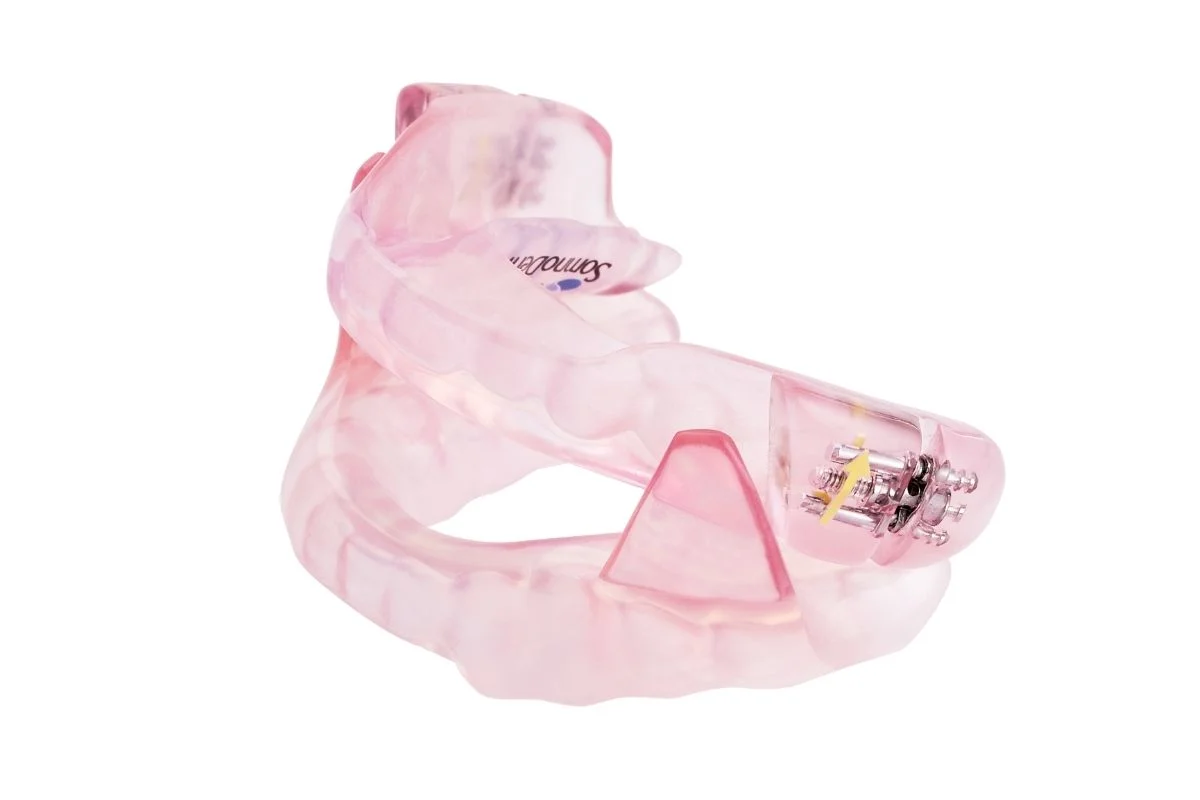
Mandibular Advancement Devices (MADs)
MADs are the most common appliance used for obstructive sleep apnoea. They work by gently positioning the lower jaw (mandible) forward to help keep the airway open during sleep. This improves airflow, reduces snoring, and supports more restful, uninterrupted breathing.
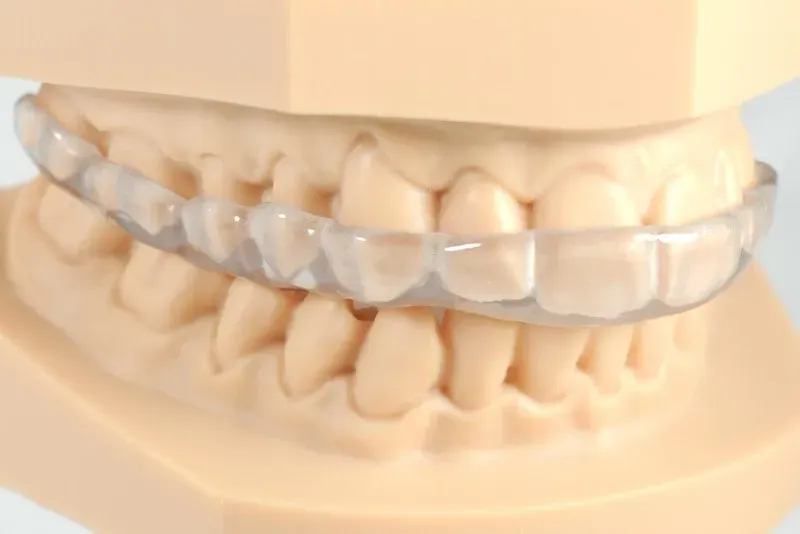
Occlusal Splints (Night Guards)
Occlusal splints are designed for a different purpose: to protect the teeth from clenching and grinding (bruxism). Made from durable acrylic, they fit over the upper — or sometimes lower — teeth. These splints help reduce tooth wear, relax the jaw muscles, and ease pressure on the jaw joints. Many patients notice fewer headaches, less morning discomfort, and improved overall jaw function.
Benefits of Oral Appliances
- Comfortable and Convenient: Oral appliances are compact, easy to wear, and simple to travel with. Many patients find them more comfortable than CPAP, as they involve no masks or hoses.
- Effective for OSA: For many people with mild to moderate obstructive sleep apnoea, MADs can be as effective as CPAP therapy.
- Low Maintenance: Most appliances only require basic cleaning, such as a daily or weekly soak, making them simple to care for.
Oral appliances offer practical, effective solutions for both sleep apnoea management and protection against teeth grinding. If you suspect sleep apnoea or are experiencing nighttime clenching or jaw discomfort, speak with a healthcare provider to determine which type of appliance best suits your needs.
Supporting Your Dental Health
Frequently Asked Questions
Who can use Oral Appliances?
Oral appliances are suitable for many individuals with snoring and/or sleep apnoea; especially those who find CPAP machines uncomfortable or ineffective. They are often recommended for patients with mild to moderate OSA.
Do I need a sleep study beforehand?
No, however, some health funds may not contribute to the cost unless a sleep study has been carried out beforehand.