Minor Oral Surgery
Minor Oral Surgery & Wisdom teeth removal
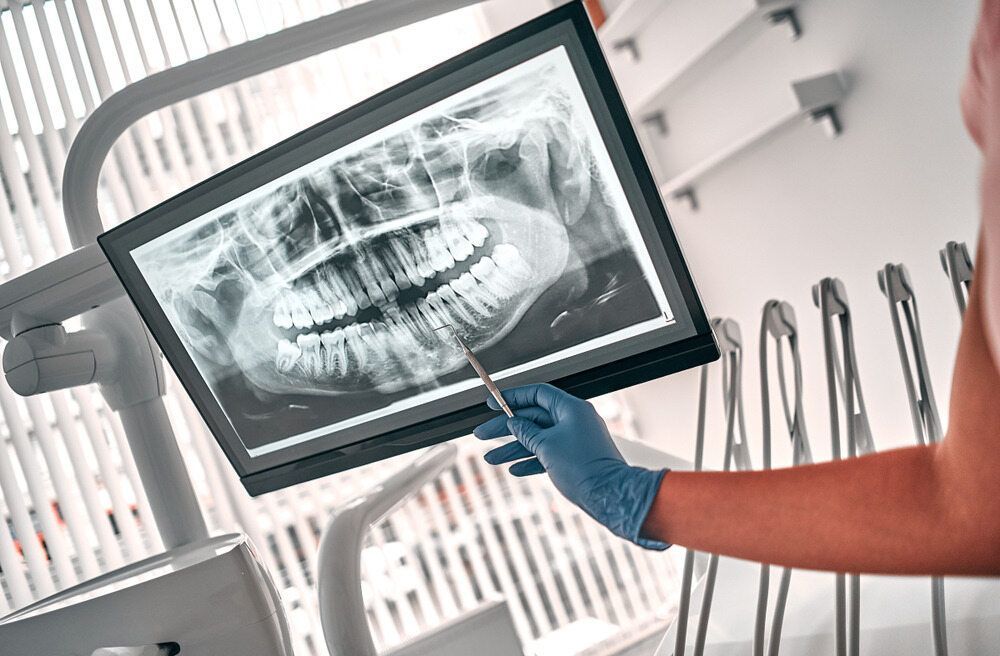
The majority of tooth extractions are straight forward, but there are situations such as severely weakened teeth and impacted wisdom teeth that may require surgical removal. The use of a low-exposure radiograph aids in diagnosis. In these situations, some patients prefer to supplement local anaesthetic with the effects of nitrous oxide sedation.
Most people will require removal of their wisdom teeth. The ideal time to remove them is prior to the wisdom teeth completing root formation (i.e. the teenage years). If the roots are not fully-formed, the extraction may be much easier, healing far quicker and potentially reducing the risk of complications (such as damage to the nerves).
Wisdom teeth assessment with x-rays is advisable for mid to late teenagers. There are a range of options for extraction which need to be carefully assessed.
In some cases, it is advisable to have wisdom teeth removed under general anaesthesia or by a specialist Oral and Maxillofacial Surgeon. BB Dental can arrange these referrals if required.
Call us on (07) 4054 1255 today to learn about minor oral surgery options. Based in Earlville, we support patients Cairns-wide.
Supporting Your Dental Health
Frequently Asked Questions
What is minor oral surgery?
Minor oral surgery involves procedures to address dental and oral issues that cannot be resolved through standard treatments. Common examples include tooth extractions, removal of impacted wisdom teeth and treating oral infections.
When might someone need minor oral surgery?
Minor oral surgery may be needed for conditions like impacted wisdom teeth, severely decayed teeth, oral infections or jaw-related issues. It can also address damage caused by injury or prepare the mouth for treatments like implants.
What happens during a minor oral surgery procedure?
During minor oral surgery, the dentist or surgeon uses local anaesthesia or sedation to help ensure comfort. The procedure depends on the specific issue, such as removing a tooth, treating an infection or reshaping oral tissues.
What should you expect after an extraction? Post op instructions
After surgery, it’s normal to experience some swelling, discomfort or mild bleeding. Following the dentist’s instructions on pain management, oral hygiene and diet is important to promote healing and avoid complications.
- It is quite normal to have a little blood in your saliva in the first few hours following surgery. Apply a firm consistent pressure to the gauze pack for 1/2 hour following extraction, and repeat (if required) until bleeding stops.
- If you are concerned there is excessive bleeding that has not been controlled by applying pressure on the gauze packs provided, please contact the surgery or after hours, Cairns Base Hospital Emergency Department (07) 4226 000 or triple zero 000.
- You should have nothing to eat or drink for the first two (2) hours following surgery to allow formation of a secure blood clot.
- Avoid rinsing of your mouth that day.
- On the day following surgery, you should gently rinse your mouth with warm salty water every three hours during the day for three minutes over three days or until pain or swelling subside.
- Avoid excessive hot and cold foods for the next couple of days.
- It is important to rest for the remainder of the day. If you lie down, keep your head elevated with a couple of pillows. If you require a certificate for the time away from work or school, please ask us.
- Use ice packs as frequently as possible in the first 24-hours to help minimise swelling and bruising.
- If you have been given a prescription for antibiotics and pain relief, it is important that you take them as directed. If you have any queries about the medication, ask your pharmacist.
- Even if you have not been prescribed pain relief, it is recommended that you take some (e.g. over the-counter paracetamol) before the local anaesthetic wears off and again before bed.
- Avoid smoking. Smoking adversely affects healing. You will also need to avoid alcohol for at least 72 hours.
What is a dry socket?
It is normal to feel sore or uncomfortable after having a tooth removed, but this should slowly decrease.
If pain is increasing 3-7 days after extraction it may be a dry socket and pain could become quite intense. This can be treated, please contact us as soon as possible.
What should I do if I knock out a permanent (adult) tooth?
- Handle carefully: Pick up the tooth by the crown (the part you chew with), not the root. Avoid touching the root to prevent damage.
- Rinse gently: Rinse the tooth with milk, saliva, or water to remove any dirt. Do not use hot or ice-cold water.
- Reinsert quickly: If possible, place the tooth back into its socket immediately—ideally within 5–10 minutes. Hold it gently in place by biting on a soft cloth, making sure the tooth is facing the correct way.
- If you can’t reinsert: Wrap the tooth in cling film with a little saliva, or keep it inside your mouth between the cheek and teeth to keep it moist.
- Seek urgent care: Immediate dental treatment is critical to maximize the chance of saving the tooth.
Contact:
Barry Bennett Dental (Mon–Fri): (07) 4054 1255
After Hours – Cairns Base Hospital Emergency Department: (07) 4226 0000
Post-Operative Instructions for Extractions
It is quite normal to have a little blood in your saliva in the first few hours following surgery. Apply a firm, consistent pressure to the gauze pack for 1/2 hour following extraction, and repeat (if required) until bleeding stops.
If you are concerned there is excessive bleeding that has not been controlled by applying pressure on the gauze packs provided, please contact the surgery or after hours, Cairns Base Hospital Emergency Department (07) 4226 000 or triple zero 000.
- You should have nothing to eat or drink for the first two hours following surgery to allow the formation of a secure blood clot.
- Avoid rinsing your mouth that day.
- On the day following surgery, gently rinse your mouth with warm salty water every three hours during the day for three minutes over three days or until pain or swelling subside.
- Avoid excessive hot and cold foods for the next couple of days.
- It is important to rest for the remainder of the day. If you lie down, keep your head elevated with a couple of pillows. If you require a certificate for the time away from work or school, please ask us.
- Use ice packs as frequently as possible in the first 24 hours to help minimise swelling and bruising.
- If you have been given a prescription for antibiotics and pain relief, it is important that you take them as directed. If you have any queries about the medication, ask your pharmacist.
- Even if you have not been prescribed pain relief, it is recommended that you take some (e.g. over the-counter paracetamol) before the local anaesthetic wears off and again before bed.
- Avoid smoking. Smoking adversely affects healing. You will also need to avoid alcohol for at least 72 hours.
- It is normal to feel sore or uncomfortable after having a tooth removed, but this should slowly decrease. If pain is increasing 3-7 days after extraction it may be a dry socket, and pain could become quite intense. This can be treated, please contact us as soon as possible.