Preventative Dental Care
Supporting Your Dental Health Journey
Regular dental check-ups are essential for helping to maintain good oral health. At BB Dental, we encourage patients to visit us on a regular basis.
Our clinic is a preferred dentist for HCF and BUPA health care fund members. We also provide preventative dental care services through the Department of Veterans’ Affairs. For our younger patients, bulk-billing appointments are available through the Child Dental Benefit Scheme.
To make an appointment with our dentists, please contact our clinic Monday to Friday by calling (07) 4054 1255—we’re based in Earlville.
Supporting Your Dental Health
Preventive Care
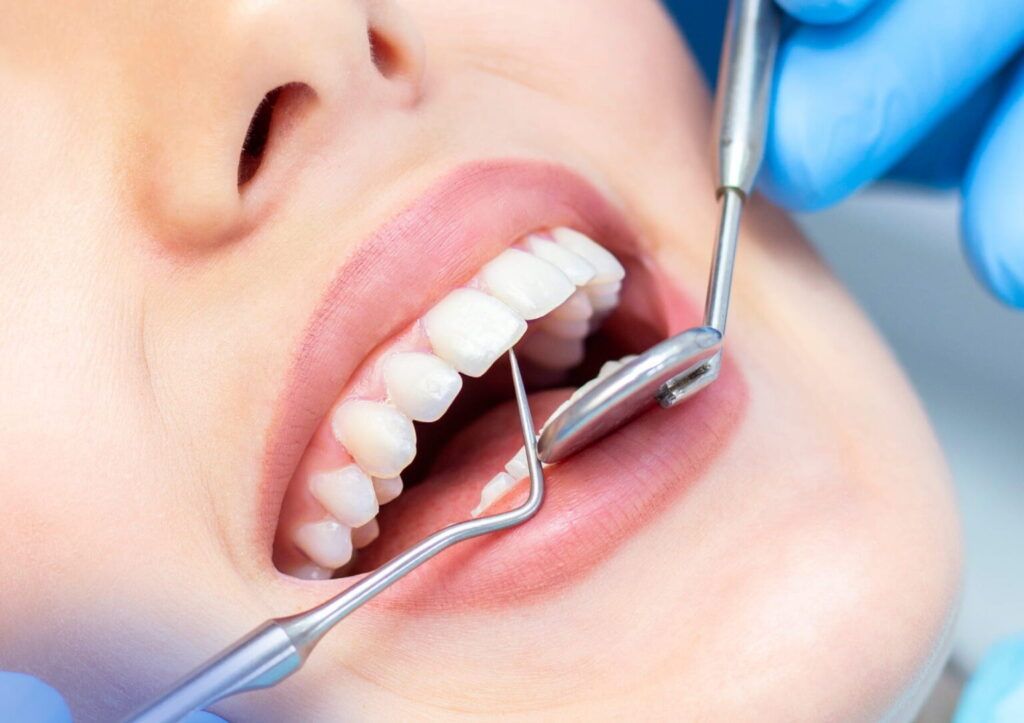
At BB Dental, we’re dedicated to helping you maintain a healthy smile through preventive care. Wherever possible, we focus on early intervention and proactive dental maintenance to reduce the risk of more serious problems later on. Regular check-ups allow us to identify potential issues early—often while they're still minor and easily treated.
Our skilled Dental Hygienists provide comprehensive oral health services as part of your routine visits. During a general check-up, we may perform a periodontal assessment, screen for oral cancer, and take digital radiographs to give us a complete picture of your oral health. Each visit also includes a professional scale and clean to keep your teeth and gums in top condition. We recommend booking a check-up every 6 to 12 months to stay on top of your dental health.
Did You Know?
Tooth decay starts with plaque—a sticky film of harmful bacteria that forms on your teeth. These bacteria feed on sugars and carbohydrates from everyday foods and drinks, producing acids that can erode your tooth enamel. Each time you consume sugar, acid attacks your enamel for up to 40 minutes. Rinsing your mouth with water after meals can help reduce this effect.
Mouthguards
Protect Your Smile with a Custom-Fitted Mouthguard
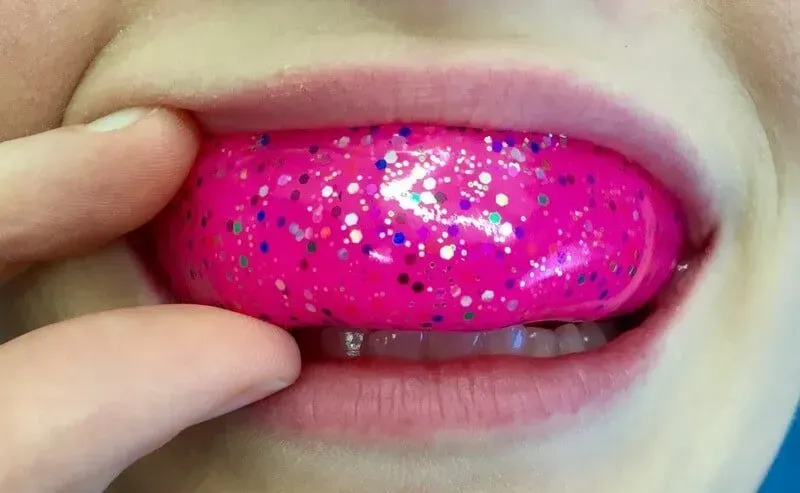
If you participate in any contact sport, wearing a custom-fitted mouthguard is essential. Unlike over-the-counter options, custom mouthguards provide a superior fit, greater comfort, and significantly better protection. They’re proven to help prevent serious dental and facial injuries such as broken or knocked-out teeth, split lips or cheeks, and gum trauma.
At BB Dental, we create your custom mouthguard by taking precise impressions of your upper and lower teeth. You can personalise your mouthguard by choosing from a wide range of colours and patterns—even mix and match to show off your team spirit!
Your dental impressions are sent to a trusted local technician, and your finished mouthguard will be ready for fitting within just 3–4 days.
Call BB Dental today to book a check-up or to get started on your custom-fitted mouthguard.
Products
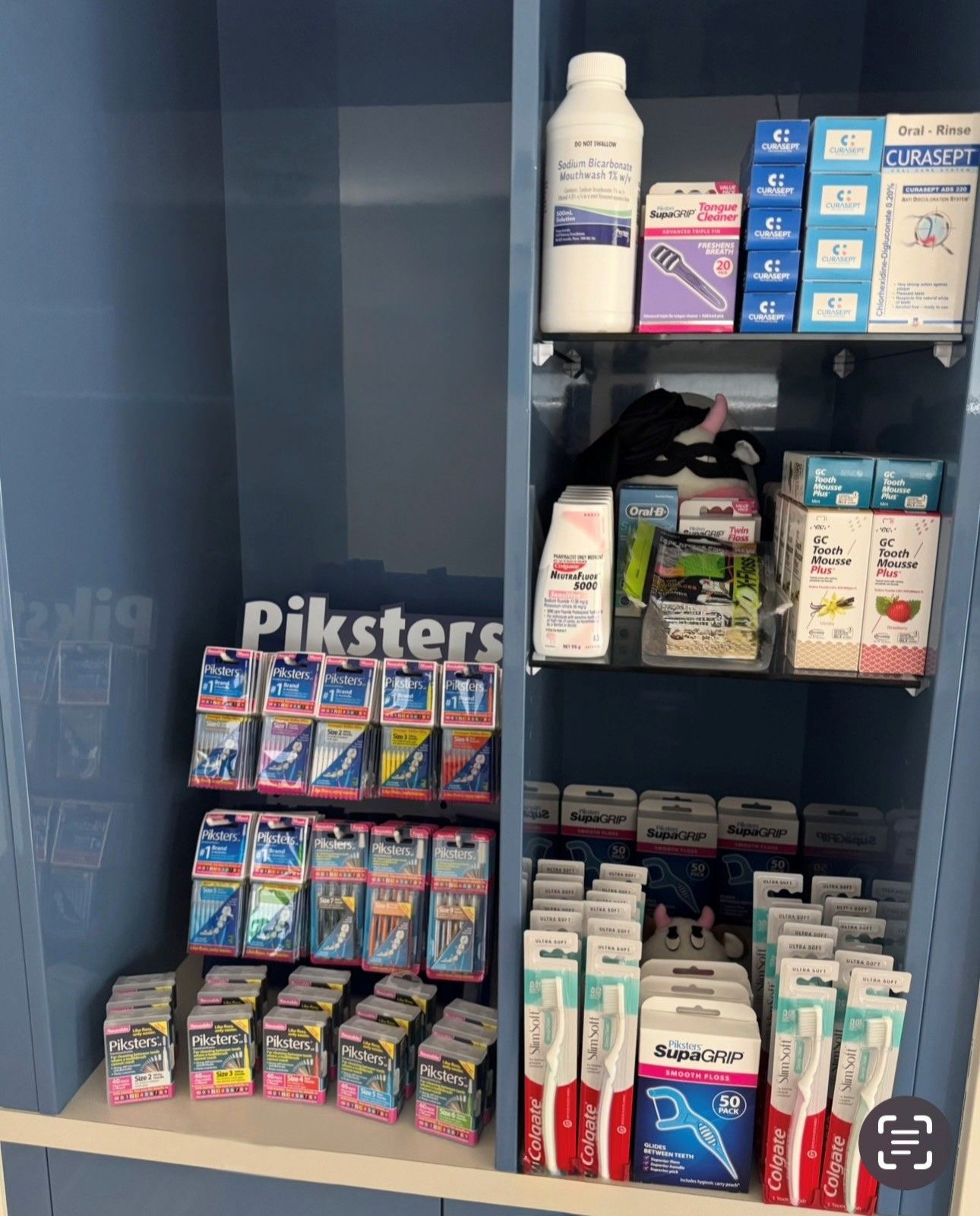
Our dental clinic uses and recommends only the best oral health care products. These products are available for purchase from reception, so you can maintain good dental health at home.
Our dental health products include:
- Bi-Carb Mouthwash
- Neutrafluor 5000 Toothpaste
- Pola Night Teeth Whitening Gel
- Tooth Mousse Plus
- Tongue Cleaners
- Piksters
- Pikster Supa Grip Flossers
- Curasept product range
- Colgate Slim Soft Toothbrushes
- Oral B Super Floss
Drop in during business hours and stock up on toothpastes, brushes and flossers at any time.
Gum Disease
Concerned About Gum Disease? We’re Here to Help.
If you think you might have gum disease, please don’t feel embarrassed—you're not alone. At different times in our lives, factors like stress, pregnancy, certain medications, or even a lapse in daily oral care can affect our gum health. Bleeding gums are a common early sign, and our friendly team of Cairns dentists and hygienists are here to support you with expert care and practical advice.
Education is a key part of every dental visit. We take the time to help you understand your oral health and how to maintain it.
What Is Gingivitis?
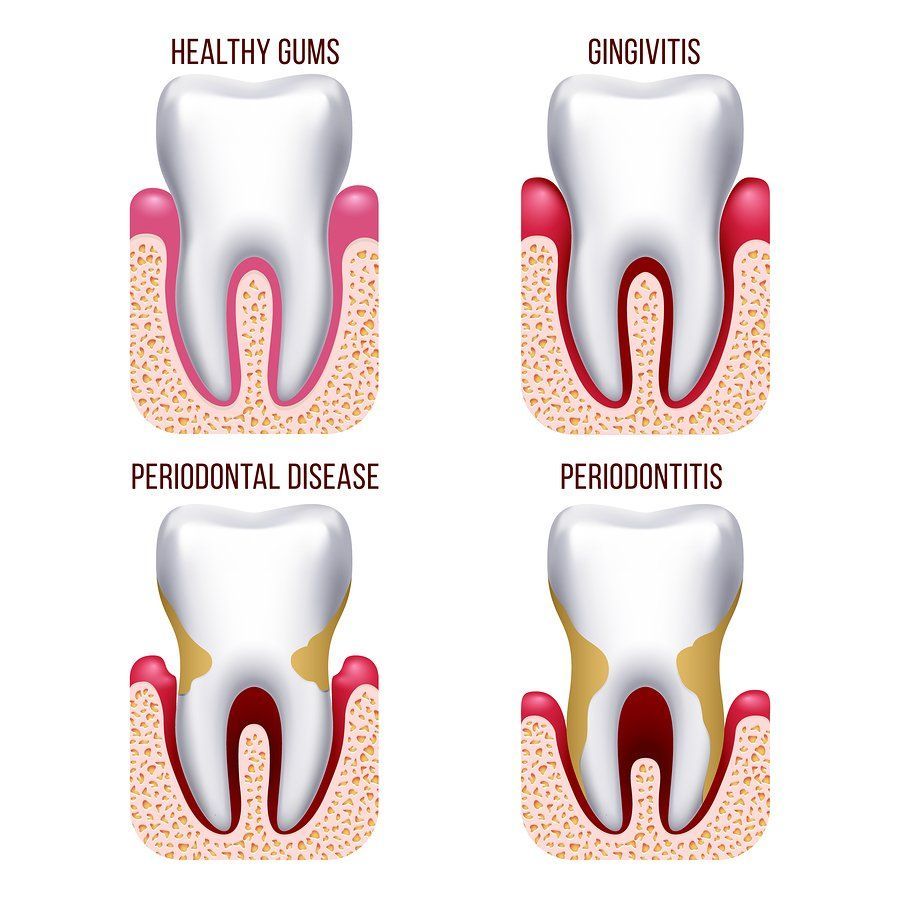
Gingivitis is a common and reversible condition that involves inflammation of the gums. It’s often caused by poor or irregular brushing and flossing habits, which allow plaque to build up around the gumline. This can lead to red, swollen, and tender gums that may bleed during brushing or flossing.
The good news? Gingivitis is manageable. With the right brushing technique, consistent flossing, and professional guidance, symptoms usually improve within one to two weeks.
What Is Periodontitis?
If left untreated, gingivitis can progress to periodontitis—an advanced stage of gum disease that affects the bone supporting your teeth. Once bone loss occurs, it’s difficult to reverse, and your teeth may become loose or require extraction.
Signs of periodontitis may include:Gum recession, Persistent bad breath, Gum abscesses, a buildup of plaque and hardened calculus below the gumline.
Unlike plaque on the surface, this deeper buildup can’t be removed with brushing or flossing alone. Treatment requires professional deep cleaning by your dentist or hygienist and a strong commitment to oral hygiene at home. In severe cases, we may refer you to a periodontist (gum specialist) for further care.
Why It Matters
Periodontitis is the leading cause of tooth loss in adults over 35. It’s also been linked to a range of systemic health conditions, including: Heart disease and stroke, Diabetes, Kidney disease, Arthritis, Pregnancy complications, such as premature birth or low birth weight.
Taking care of your gums is about more than just your smile—it’s an essential part of your overall health.
Book an appointment with BB Dental today to discuss your gum health and get back on track with supportive, compassionate care.
Frequently Asked Questions
What is preventive dental care?
Preventive dental care involves routine practices and treatments designed to maintain oral health and reduce the risk of dental problems. These include regular dental check-ups, professional cleanings and x-rays.
Preventive care helps identify issues such as cavities, gum disease or oral infections in their early stages, allowing for timely management. It also supports good oral hygiene habits like proper brushing, flossing and dietary choices, contributing to long-term oral health.
How often should I have a dental check-up?
The frequency of dental check-ups typically depends on individual needs, but visiting a dentist every six to twelve months is commonly recommended. Regular visits allow for thorough monitoring of your oral health, including early detection of issues like tooth decay, gum disease or other dental concerns. Your dentist can provide tailored advice on check-up intervals based on your specific oral health condition.
What treatments are part of preventive dental care?
Preventive dental care includes a variety of treatments aimed at maintaining healthy teeth and gums. These may include professional cleanings to remove plaque and tartar, fluoride treatments to strengthen enamel and dental sealants (fissure sealants) to protect teeth from decay.
Routine screenings for oral diseases and education on proper oral hygiene are also essential components of preventative care, helping to keep your mouth healthy over time.
Why are professional cleanings important?
Professional cleanings are crucial for helping to remove plaque and tartar buildup that cannot be eliminated by brushing and flossing alone. This helps prevent cavities, gum disease and other oral health problems.
Cleanings also allow your dentist to assess your oral health, identify any emerging concerns and provide recommendations for maintaining healthy teeth and gums. Regular cleanings contribute to fresher breath, brighter teeth and overall oral hygiene.
What is a Fissure Sealant
Some teeth have tiny grooves and pits on the chewing surface that are so narrow even a toothbrush bristle can’t reach them. This makes them the perfect hiding spot for food and bacteria, which can lead to decay.
A fissure sealant is a thin, protective coating that flows into these grooves and seals them off. It makes the surface smoother, easier to clean, and helps protect teeth from cavities.
Why they’re so beneficial:
- Quick, safe, and completely painless
- Provides long-lasting protection against decay
- Makes brushing more effective
- Especially helpful for kids and teens as their adult teeth come through
What is Hypomin (Hypomineralisation)
Sometimes teeth don’t form as strong as they should while they’re developing. This is called hypomineralisation, or Hypomin for short. It means the enamel (the hard, protective layer on the outside of the tooth) is softer and may look patchy in colour – often creamy, white, yellow, or even brown.
Teeth with Hypomin can:
- Be more sensitive to hot, cold, or brushing
- Wear down or break more easily
- Be more at risk of cavities
The good news: With early care and the right protective treatments, we can help keep Hypomin-affected teeth strong, comfortable, and healthy. Regular check-ups allow us to monitor these teeth closely and step in before any problems start.
Should i see a dentist if I am trying to get pregnant?
Yes. It’s important to have an oral examination and professional cleaning both before becoming pregnant and during your pregnancy. Be sure to inform your dentist of any changes in your oral health. Maintaining good oral hygiene is essential, even though morning sickness may make brushing and flossing more challenging.
Brush twice daily with a fluoride toothpaste (such as Colgate Total), floss daily, and eat a balanced diet. Limit snacking between meals and ensure you’re getting enough calcium to support both your oral health and your baby’s development.
Is it true i will lost a tooth with each pregnancy?
No – this is an old wives’ tale. Some women may experience gum changes during pregnancy, particularly if they are prone to gingivitis, a mild form of gum disease that can cause gums to become red or bleed when brushing. Your dentist may recommend more frequent cleanings to help manage this.
Pregnancy can also increase the risk of tooth decay. Factors such as acid reflux, cravings for sugary foods, and morning sickness can make oral care more challenging. After the baby is born, it can also be harder to maintain regular oral hygiene due to time constraints. Regular dental visits and good daily habits can help protect your teeth throughout pregnancy and beyond.
How early should dental visits be introduced to children?
We recommend that your child has their first “ride in the chair” dental appointment at around 2 years of age. From 4 years old, regular 6-monthly check-ups and cleanings are advised. These early visits help children feel comfortable and confident in a dental environment, setting the foundation for a lifetime of good oral health.
In the meantime, It’s a great idea to gently rub your baby’s gums with a damp washcloth to prepare for the eruption of their first teeth and their introduction to a soft children’s toothbrush. These toothbrushes come in fun colours and cartoon characters, helping make one of the most important daily routines enjoyable from the very start.
There’s no need to use toothpaste until around 18 months of age, at which point a mild, child-strength toothpaste can be introduced.
Bi-Carb Mouthwash
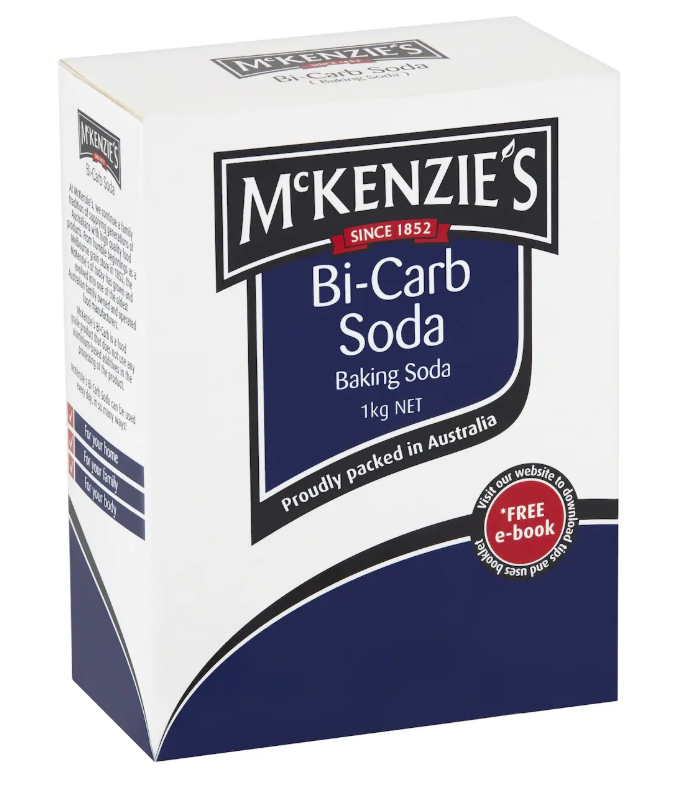
Bicarbonate of Soda is naturally alkaline, and when used regularly as a mouth rinse, it helps support the remineralisation of tooth surfaces. This can assist in reducing tooth decay, minimising sensitivity, and protecting against wear and erosion.
Note: Bicarbonate of Soda has a salty–sour taste. If you find the flavour strong, start with a weaker mix—½ teaspoon in ½ glass of water—and gradually increase to full strength as tolerated.
Do not brush with dry Bicarbonate of Soda powder. Its crystals are highly abrasive and can cause rapid enamel wear.
How to Make Your Homemade Bicarbonate Mouth Rinse
Ingredients
- 2 teaspoons Bicarbonate of Soda
- 500 mL water
- Clean, sealable glass bottle or jar
Preparation
- Add the Bicarbonate of Soda to the water in your glass container.
- Seal well and shake gently to dissolve.
- Store sealed; the mixture will usually last one week or more.
How to Use
- Brush and floss your teeth as normal.
- Pour a small amount of the mixture into a clean glass.
- Rinse thoroughly around your mouth.
- Spit out—do not swallow.
Prefer a Ready-Made Option?
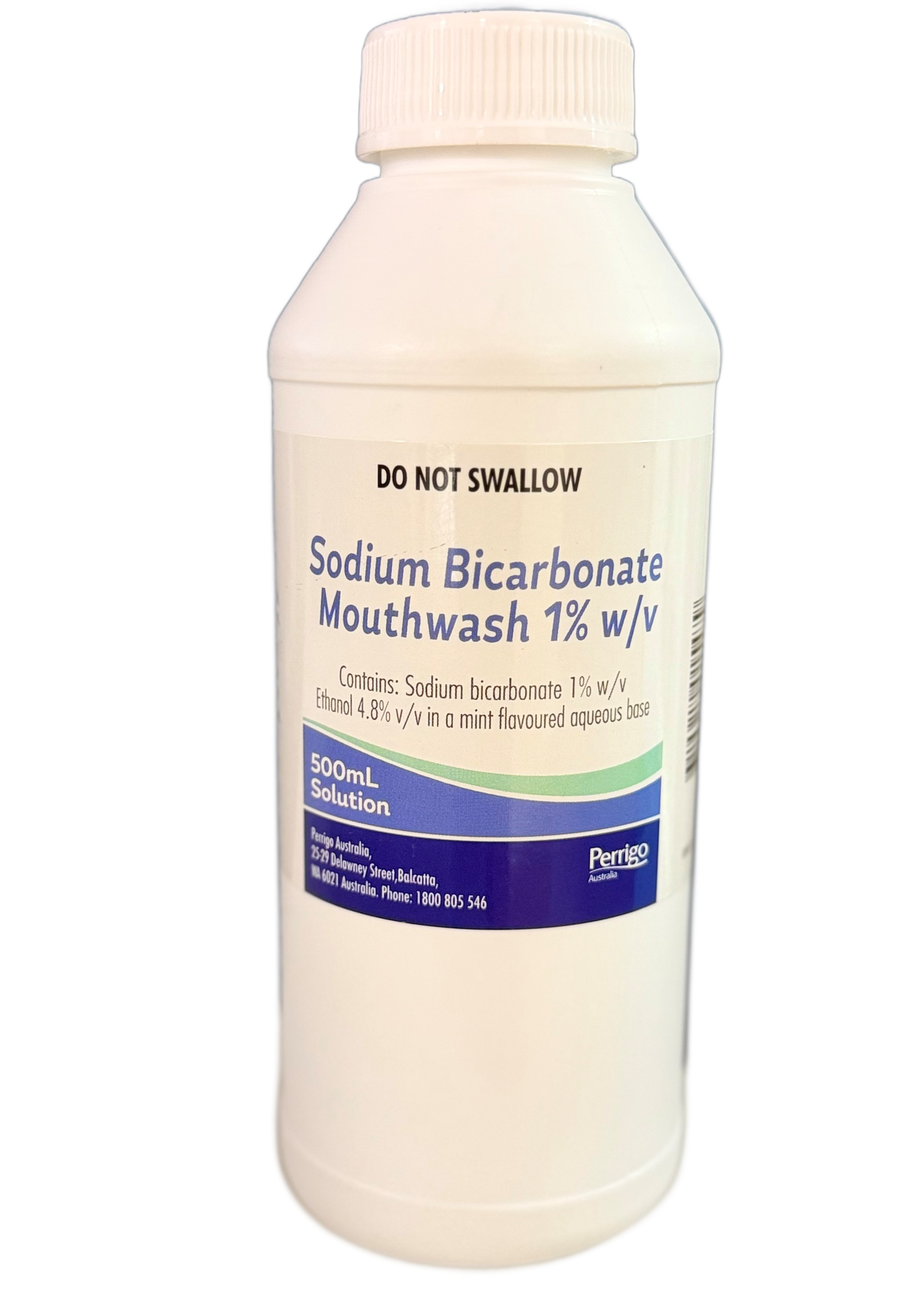
You can purchase Perrigo Mouthwash from our clinic, or check your local pharmacy. It offers the same benefits with a more pleasant mint flavour.